

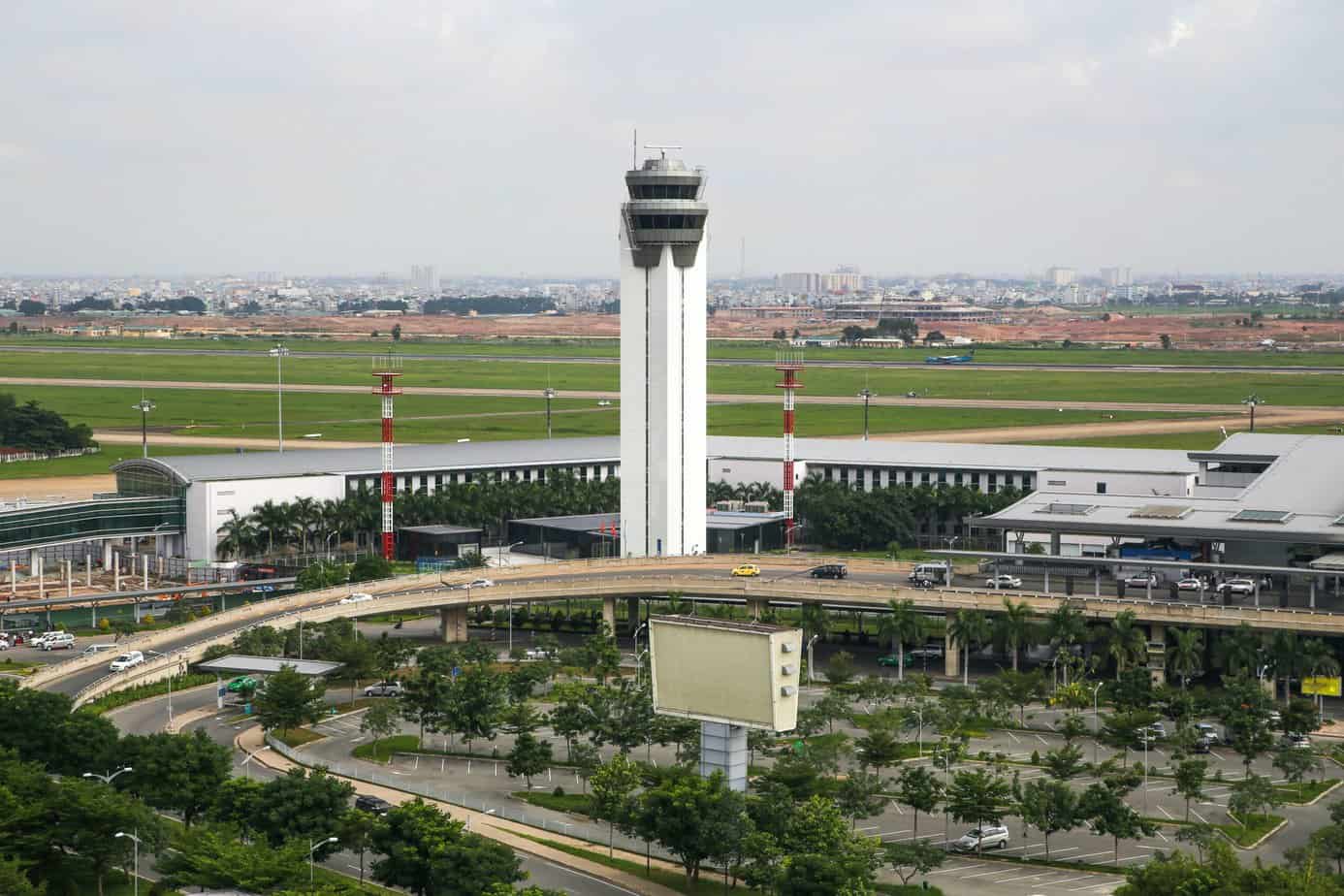
Becoming an air traffic controller is a challenging but rewarding career path for those who have an interest in aviation and a desire to keep our skies safe. In this post, we will explore the steps and requirements for becoming an air traffic controller, and what you can expect in terms of training, qualifications, and certification.
Step 1: Meet the Qualifications To become an air traffic controller
You must meet certain qualifications, including:
- Be at least 18 years old
- Be a U.S. citizen
- Have a high school diploma or equivalent
- Be able to pass a medical examination, including a hearing test
- Be able to pass a security clearance and background check
Step 2: Complete an Air Traffic Control Training Program
The next step is to complete an air traffic control training program. These programs are typically offered by colleges and universities, as well as by the Federal Aviation Administration (FAA) through their own Air Traffic Control Academy. The training program will include both classroom instruction and on-the-job training. The classroom instruction will cover topics such as airspace, navigation, and weather, as well as the regulations and procedures that air traffic controllers must follow. On-the-job training will involve working with experienced controllers in a real-world environment, learning how to use the equipment and tools that are used in the control tower and on the ground.
Step 3: Pass the FAA Air Traffic Control Exam
After completing your training program, you will need to pass the FAA Air Traffic Control Exam. This exam will test your knowledge of the regulations, procedures, and concepts that you learned during your training. The exam is divided into two parts: a written test and a practical test. The written test will cover topics such as airspace, navigation, and weather, while the practical test will involve working with a simulated air traffic control environment.
Step 4: On-the-Job Training
After passing the FAA Air Traffic Control Exam, you will begin on-the-job training. This typically takes place at one of the FAA’s air traffic control facilities, such as a control tower or radar approach control. During this phase, you will work alongside experienced controllers, learning the procedures and techniques used in the facility. You will also work on developing your decision-making and problem-solving skills, as well as your ability to multitask and work under pressure.
Step 5: Obtain a Controller’s License
Once you have completed your on-the-job training, you will need to pass the FAA’s Initial Skills Evaluation (ISE). This evaluation will test your ability to perform the duties of an air traffic controller, including your ability to handle aircraft traffic and make decisions in a simulated environment. After passing the ISE, you will be issued a controller’s license, and you will be able to work as an air traffic controller.
Becoming an air traffic controller is a multi-step process that requires a combination of formal training, testing, and on-the-job experience. It can be a challenging and rigorous process, but for those who are dedicated and passionate about aviation, it can be a rewarding and fulfilling career. If you are interested in becoming an air traffic controller, it is important to research the various training programs and qualifications required, and to be prepared for the time, effort, and dedication that the process will require.