

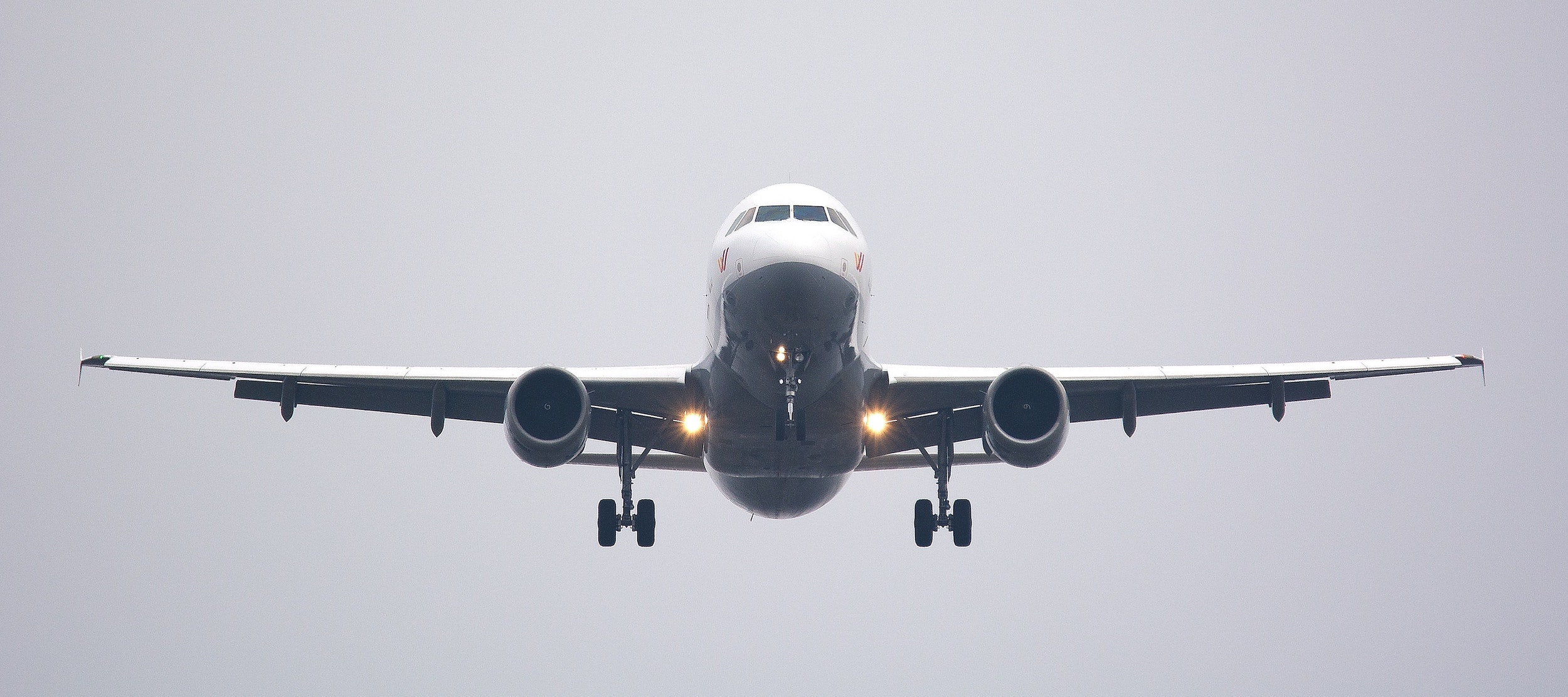
Have you ever considered working in an office located at 35,000 feet above sea level? That is where commercial airline pilots work and it has a great view! But what does it take to become an airline pilot and what is the quickest way to get there?
What is the Quickest Way to Become A Commercial Pilot?
The Quickest Way to become a commercial pilot is to go to a flight school that offers a career pilot program. Some of these offer financing so that you can go right through from zero to commercial pilot in a few month’s time. However, it takes more than just a commercial license to be an airline pilot.
The Difference Between Being A Commercial Pilot and an Airline Pilot
All airline pilots have their commercial pilot’s license, but not all pilots with a commercial license are airline pilots. In order to fly for a scheduled airline, you have to eventually get your Airline Transport Pilot (ATP) rating which requires you to have at least 1500 hours of flight time. You can get your commercial pilot’s license with as little as 250 hours of flight time. Most new commercial pilots then become flight instructors, read on to see what comes next!
So How Do Career Pilot Programs Work?
Career pilot programs generally require the student to pay for their private, instrument, commercial, and Certified Flight Instructor(CFI) ratings. At that point the new commercial pilot will be qualified to work as a flight instructor, and will often get hired by the same school. As a flight instructor, you log flight time while teaching students to fly — so you get paid to log flight time now instead of having to pay for it. Once you have logged about 1,500 total flight hours (as few as 1,000 in some programs), you are ready to start applying for a job as a pilot at regional air carriers.
Types of Schools
There are different kinds of professional flight schools, some are attached to universities, some are large independent schools, and some are small mom & pop organizations. Flight schools attached to universities can offer you a bachelor’s degree in various aviation subjects while you learn to fly. You can get a bachelor of science in things such as aviation security, professional pilot, aviation operations, or aviation management. The degree you choose is up to you as all of them will help you get a job at major airlines that prefer that their pilots have a bachelor’s degree. However, you do not need a bachelor’s degree to be an airline pilot at most airlines. Flight schools attached to universities and larger independent schools are generally operated as Federal Aviation Regulation(FAR) part 141 schools. Even some smaller mom & pop flight schools have part 141 certification. But many of the smaller schools will operate under part 161.
Go For It!
There are pros and cons to a career as an airline pilot like any other career. Some of the pros are that you get to fly airplanes, the pay for senior pilots at a major airline is very good and getting better even at the regional airline level, you get several days off in a row depending on your assigned schedule, you and your family can fly for free, and getting to live almost anywhere you want. Cons include relatively low pay the first few years, having to often work weekends and holidays, living out of a suitcase for days at a time, and having long commute times if you live far from your assigned base. A career as an airline pilot is not for everyone, but the rewards can be great if you’re willing to stick with it!